Unfiled Tax Returns and Back Taxes Help in Arizona
Missing returns turn into larger bills the longer they sit. Southwest Tax Law reconstructs back returns, stops IRS substitute assessments where possible, and plans how to pay what is owed.
If you have unfiled tax returns, the safest path is to file them yourself, starting with the most recent years, before the IRS files a substitute return for you. The IRS can assess tax without deductions or credits, and the resulting bill can be much higher than what you truly owe.
Many people we talk to are not hiding anything. A job loss, an illness, a business that ate all their time or a divorce pushed the paperwork aside, and each missed year made the next one harder to face. This page explains what the IRS does about unfiled returns, how many years you usually need to file, and how we handle the balance that follows. For a shorter explainer, see our blog post on how many years back you can file taxes in Arizona.

What does the IRS do when you do not file?
The IRS describes its process on its page about filing past due tax returns. If you fail to file, it may prepare a substitute return for you from the income reports it has. That return might not give you credit for deductions and exemptions you may be entitled to. The IRS then sends a Notice of Deficiency, known as CP3219N or a 90-day letter, proposing a tax assessment. You have 90 days to file your own past due return or petition the Tax Court. If you do neither, the proposed assessment goes forward.
The IRS also warns that the bill from a substitute return, if unpaid, can lead to a levy on wages or bank accounts or the filing of a federal tax lien, and that repeated failure to file can bring added penalties. Even after a substitute return is filed, the IRS says it is in your interest to file your own return to claim the deductions and credits you are due, and it will generally adjust your account to reflect the correct figures.
How many years of back tax returns do I need to file?
There is no deadline to file a late return, but the IRS has a practice of asking for the last six years in most cases, and the specific years it requests depend on your account. We do not guess. We pull your IRS account and wage and income transcripts first, find out which years the IRS considers open and which it has already assessed, and then decide what to file. Years older than the usual period can still matter if you owe tax for them or expect a refund. Refund rules have a separate clock: the general rule is three years from the original due date, after which a refund can be lost.
Key facts
- Filing a late return does not stop penalties that have already started, but it stops new ones from piling up.
- A return filed on time or late is the starting point for any installment agreement, offer in compromise or hardship request.
- Transcripts show what the IRS has on file, including income reported by employers and banks.
- A return showing a refund still has to be filed within the refund period to collect it.
How do you rebuild missing returns?
We start with the records you have and the records others hold. The IRS says that if you need wage and income information to help prepare a past due return, you can request it with Form 4506-T or use Get Transcript, and you can also contact the employer or payer. Where income is reported by third parties, we reconcile each document against bank statements. For self-employed filers, we reconstruct income and expenses from deposits, receipts, mileage logs and card statements. When records truly do not exist, we use reasonable, documented estimates and keep notes explaining them.
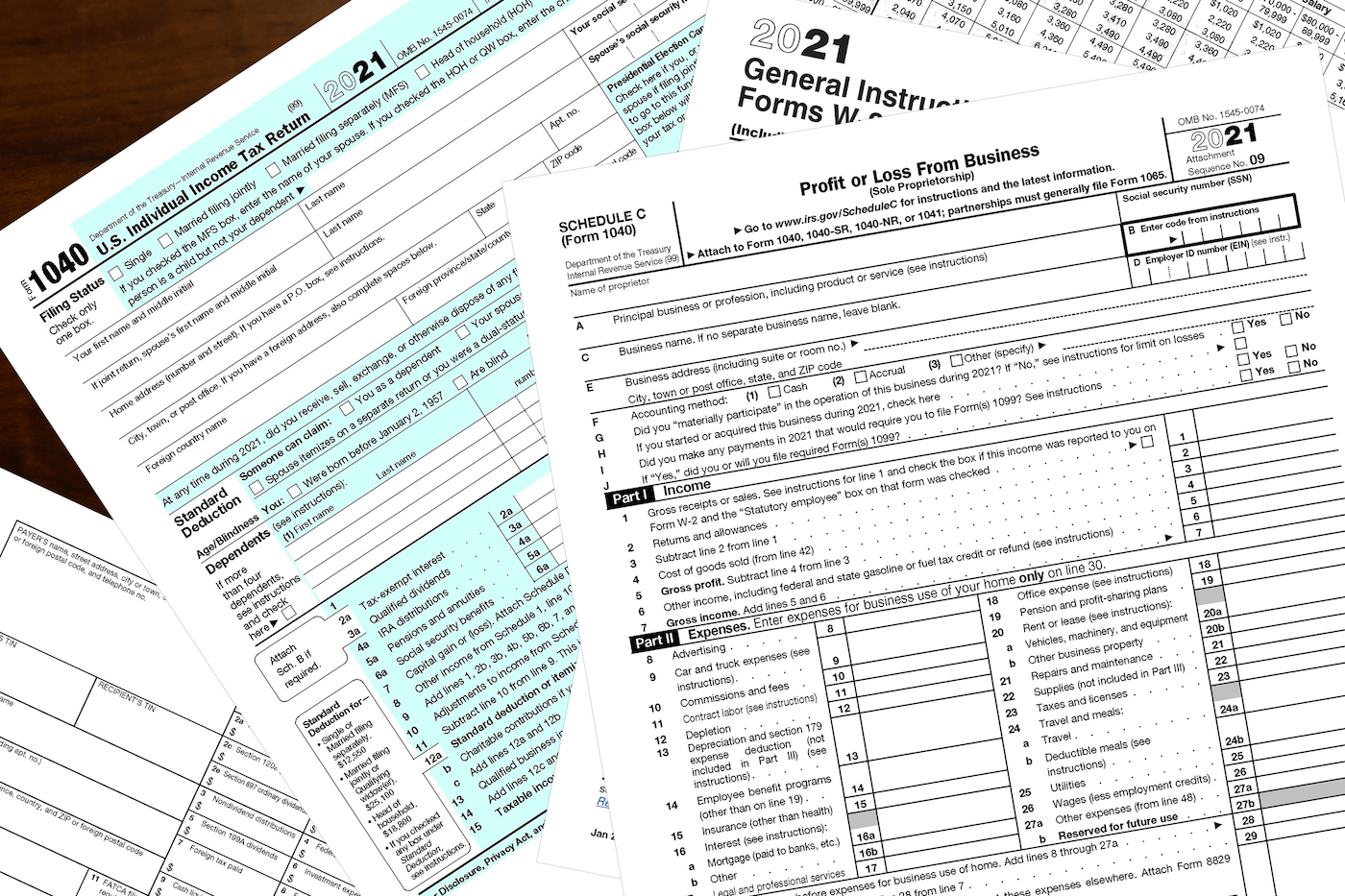
Prior returns matter too. If a year was filed and you need a copy, Get Transcript can provide a return or account transcript. Free help from the Volunteer Income Tax Assistance program may be available if you meet the IRS income rules, though complex multi-year cases usually need a professional who can also deal with the balance.
What happens to the balance once I file?
Once the returns are processed, the IRS bills the tax, penalties and interest. The failure to file penalty and the failure to pay penalty are separate, and both can be large on old years. We review each one for reasons it may be reduced, such as penalty abatement for reasonable cause or first-time relief. Then we pick a payment path. For many people it is an installment agreement. For some it is an offer in compromise, and if paying would cause real hardship, currently not collectible status. Our tax debt relief overview lays out how we compare these choices.
It is also worth knowing that the IRS has a limited time to collect each assessed balance, discussed on our collection statute page. Late filing can restart the clock for the years involved, so it is one of the details we check before filing very old returns.
Do unfiled returns mean criminal charges?
Usually not. Failing to file is most often handled as a civil matter with penalties and back taxes. The IRS does say that repeated failure to file can bring criminal prosecution in some cases, and that is why we prefer to resolve unfiled years before an enforcement officer is assigned. If you are worried about exposure, a conversation with a licensed attorney is confidential, and our page on criminal tax defense explains when attorney involvement becomes essential. If a revenue officer has already contacted you, read about revenue officer and collections defense right away.
What about Arizona state returns?
Arizona has its own filing requirement, administered by the Arizona Department of Revenue. If you also missed state returns, we typically file the federal returns first and use the same figures for the state forms. Business owners who missed Transaction Privilege Tax filings face a separate set of rules, discussed in our guide to Transaction Privilege Tax audits and our page on Arizona state tax debt. Employers who also skipped payroll filings should read our pages on payroll tax issues and business tax debt help.
How we handle a back tax case
We sign a power of attorney, pull transcripts for every year, and tell you which years to file and in what order. We prepare the returns, review them with you before anything is sent, and file them electronically or by mail as the IRS requires. If a notice or levy threatens collection while we work, we step in on that as well, using our experience in IRS Appeals and collection defense. After the returns are processed, we work out the payment plan and file it. You do not have to speak with the IRS yourself.
Arizona clients come from across the state, including Marana and Oro Valley, and all work is done by phone and secure portal. We do not promise a result, because the balance depends on your income, deductions and history. We will tell you plainly what the numbers look like and what choices you have. To begin, request a callback or call the number at the top of the page.
What to bring to the first call
You do not need a perfect file. Bring whatever you have: old returns, W-2 and 1099 forms, bank statements, mortgage interest statements and any IRS letters, even the ones you never opened. If you cannot find documents, tell us which years are missing and where you worked, and we will request transcripts. We ask about your marital status for each year, because joint and separate filing choices can change the result, and about dependents and business activity. The conversation is confidential, and we will not judge how long the returns have been sitting. Most of the stress people feel comes from not knowing the number, and a plan usually turns that around within a few weeks of starting.
Frequently asked questions
How many years of tax returns do I have to file?
The IRS generally asks for the last six years, but the years that matter depend on your account. We pull transcripts first, then decide which years to file and in what order.
Can the IRS file a return for me?
Yes. The IRS may file a substitute return from the income it has on record. That return might not include deductions and exemptions you are entitled to, so filing your own return is usually better.
What is a CP3219N notice?
It is a Notice of Deficiency, also called a 90-day letter, proposing a tax assessment based on a substitute return. You have 90 days to file your own return or petition the Tax Court.
Will I owe penalties on old returns?
Often yes. Failure to file and failure to pay penalties plus interest can apply. We review each year for penalty relief and then choose a payment path.
Can I claim a refund on an old return?
Generally you have three years from the original due date to claim a refund. After that, the refund can be lost.
Do I need to file Arizona returns too?
If you had an Arizona filing requirement, yes. The Arizona Department of Revenue administers state returns separately from the IRS.
Ready to resolve this? As the tax attorney team Tucson and Arizona trust, we offer a free consultation with a resolution specialist, available by phone Monday through Friday. Request a callback or call (520) 900-1422.
This page is for general information and is not legal advice. Every tax matter is different, outcomes depend on the facts, and nothing here guarantees a result. Contacting Southwest Tax Law does not create an attorney-client relationship.
Other Ways We Can Help
Visit Southwest Tax Law
Get your free tax debt action plan.
15 minutes with our resolution team. A concrete plan, yours to keep. No obligation, no pressure.